
RENEWABLE ENERGY · WIND
Wind energy sensing solutions
High-performance current and voltage feedback from generator-side conversion through the DC-link to the grid-side converter.
Explore the application architecture, understand the critical measurement points and connect each function to the appropriate ADISENS sensor family.
APPLICATION DEFINITION
Why the converter is the electrical heart of a modern wind turbine
Variable-speed wind turbines use power-electronic conversion to decouple generator behaviour from the grid. The converter controls generator torque, transfers energy through a DC-link and regulates active and reactive power at the grid interface.
This makes electrical feedback fundamental to performance. Current sensors close the generator-side and grid-side control loops, while isolated voltage sensing supervises the DC-link energy buffer between the two converter stages.
Why measurement matters
- Torque control: current feedback supports generator regulation.
- DC-link stability: voltage feedback protects and regulates the shared energy buffer.
- Grid control: current sensing supports active/reactive power control.
- Converter robustness: sensing must remain stable in high dv/dt and common-mode environments.
CONVERTER SCHEMATIC
Back-to-back power conversion and feedback loops
A simplified engineering view of the three critical measurement zones inside the wind converter.
GeneratorVariable-frequency AC
Generator-side currentOPCO→Generator-side converterAC → DC
→DC-link voltageCOSY-C→Grid-side converterDC → AC
Grid-side currentOPCO→Filter / transformer / gridGrid interface
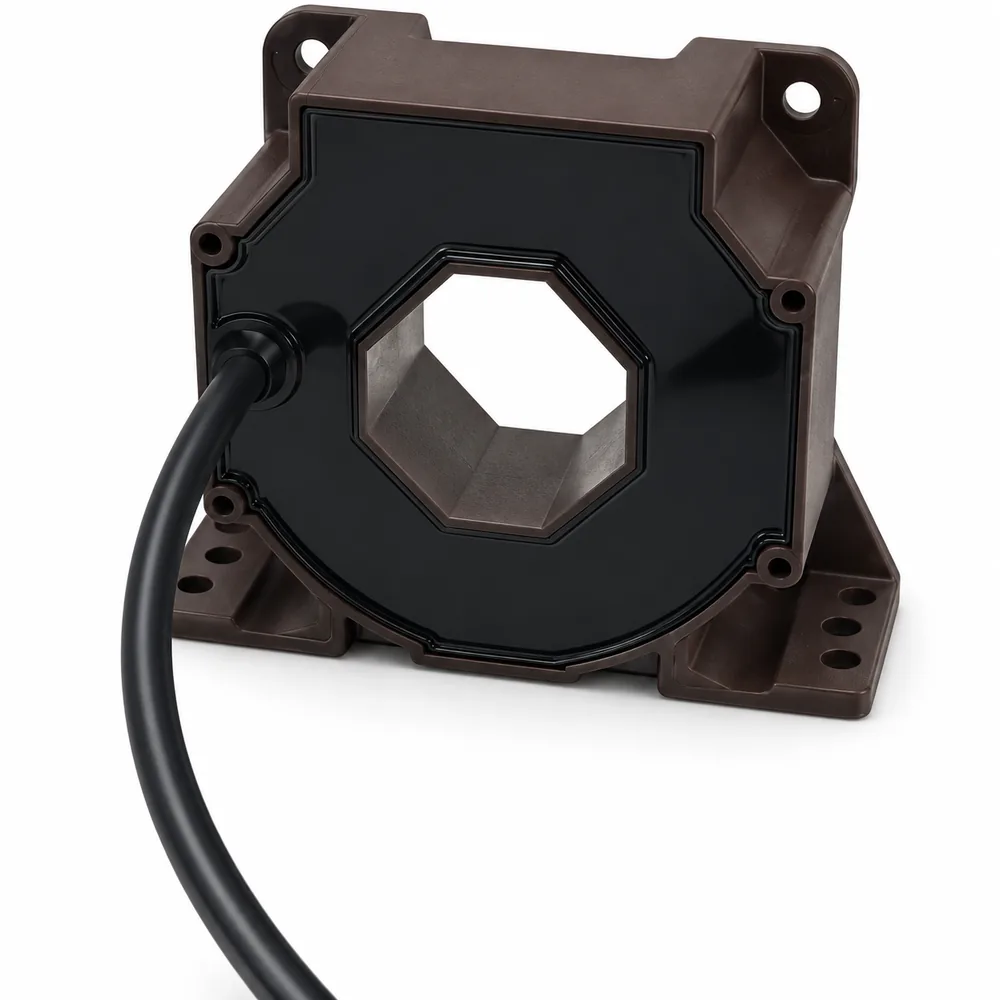 OPCO
OPCO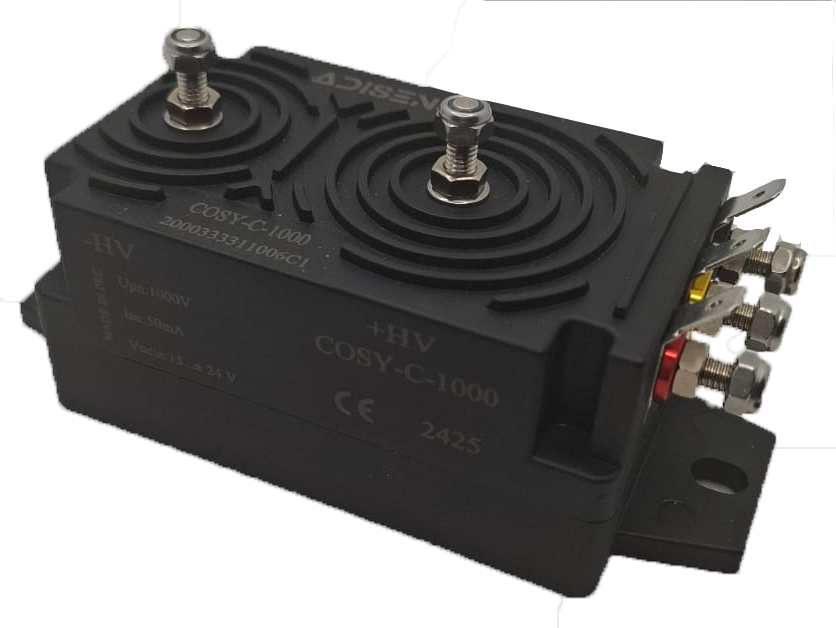 COSY-C
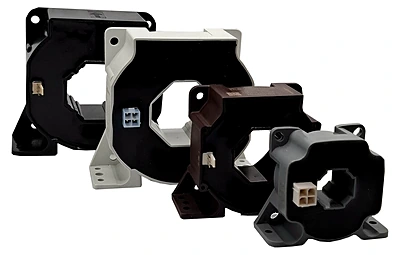 OPCO
OPCOWHY MEASUREMENT MATTERS
Engineering priorities inside a wind converter
Dynamic responseFast current feedback supports torque and grid-control loops during transients.
EMC robustnessHigh dv/dt, common-mode noise and synchronized switching edges must be considered.
Galvanic isolationCurrent and voltage sensing must coordinate with the converter insulation architecture.
Thermal lifetimeThermal cycles and long maintenance intervals influence sensor qualification.
APPLICATION → SENSORS
Wind-converter measurement mapping
Application zoneMeasurement pointSensor familyEngineering purpose
Grid-side converter3-phase grid-side currentOPCOCurrent regulation before filter / transformer interface
DESIGN & COMPLIANCE
What must be checked before sensor selection
Nominal & overload currentPWM switching environmentCommon-mode voltageIsolation requirementResponse time / bandwidthOperating temperatureMechanical integrationIEC 61010-1 / CE / RoHS / REACH where applicable