
Rack current measurement supports charge/discharge supervision and battery-management functions.
ENERGY STORAGE · BESS
Energy storage sensing solutions
Bidirectional current and isolated voltage measurement from battery racks through the PCS and common DC bus.
Explore the application architecture, understand the critical measurement points and connect each function to the appropriate ADISENS sensor family.
APPLICATION DEFINITION
Bidirectional power flow requires measurement in both directions
A battery energy storage system connects electrochemical storage to the grid through a DC bus and a bidirectional power-conversion system. During charging, energy flows from the grid to the battery; during discharge, the direction reverses.
Current sensing is therefore used both close to the battery and in the PCS power path, while isolated voltage feedback supervises the common DC energy buffer. The sensing architecture supports control, protection, state estimation and system diagnostics.
Why measurement matters
- Charge / discharge control: current feedback supports bidirectional energy flow.
- Battery protection: measurements support abnormal-condition detection and supervision.
- PCS regulation: current sensing closes the high-power converter control loop.
- DC-bus safety: isolated voltage measurement supports monitoring and protection.
BIDIRECTIONAL POWER SCHEMATIC
Battery racks ⇄ DC bus ⇄ PCS ⇄ grid
Each sensing point has a different electrical role and therefore a different sensor-family requirement.
Battery racksStored DC energy
Rack currentKHTB / KHTC⇄DC busCommon energy buffer
DC-bus voltageCOSY-C⇄PCSBidirectional converter
PCS currentOPUS⇄Transformer / gridAC interface
BIDIRECTIONAL ENERGY PATH
Battery racks ⇄ DC bus ⇄ PCS ⇄ grid
The common energy buffer requires isolated voltage feedback for converter control and protection.
High-current bidirectional conversion requires current measurement matched to the actual converter topology and overload envelope.
System-level protection, insulation and fault-detection concepts remain part of the complete BESS design.
APPLICATION → SENSORS
BESS measurement-point mapping
Application zoneMeasurement pointSensor familyEngineering purpose
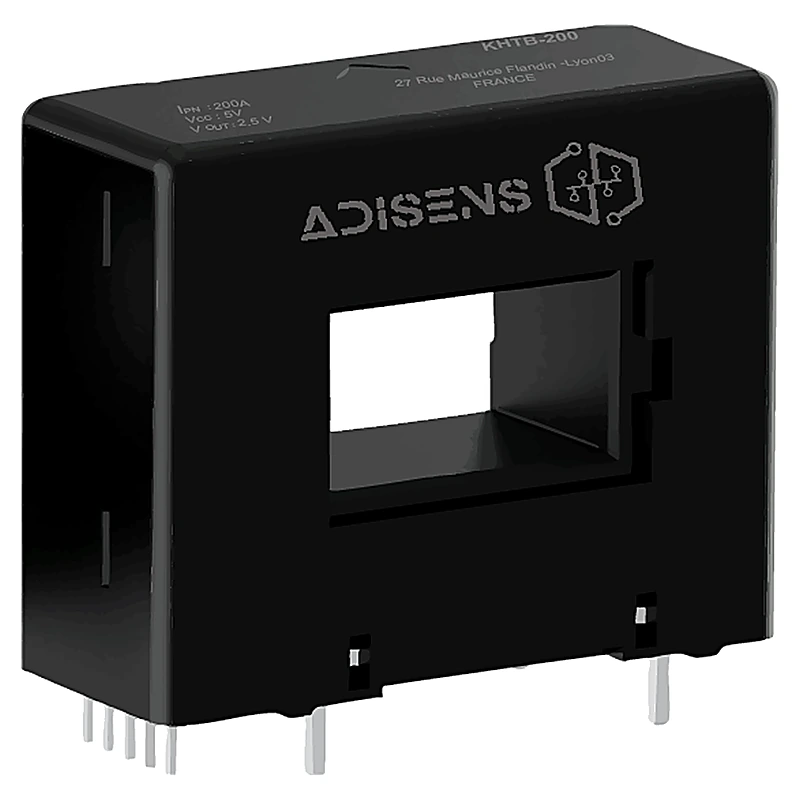
Battery-side current sensing
KHTB / KHTC
Compact current measurement for rack, module or battery-side electronic integration.
Open family page →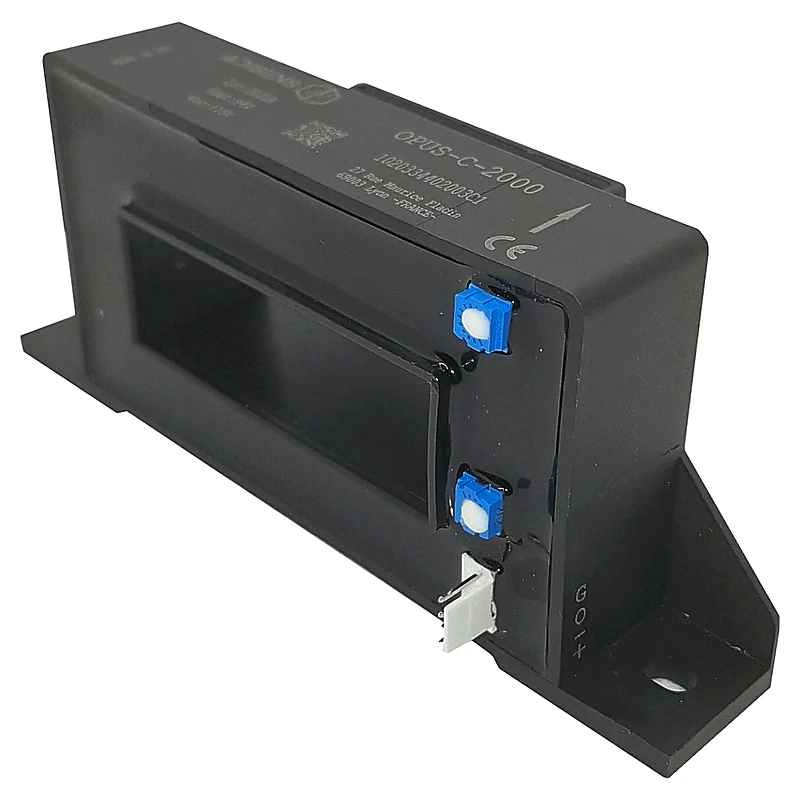
High-current power-conversion sensing
OPUS Series
High-current measurement in the bidirectional PCS or other power-conversion paths where the envelope fits.
Open family page →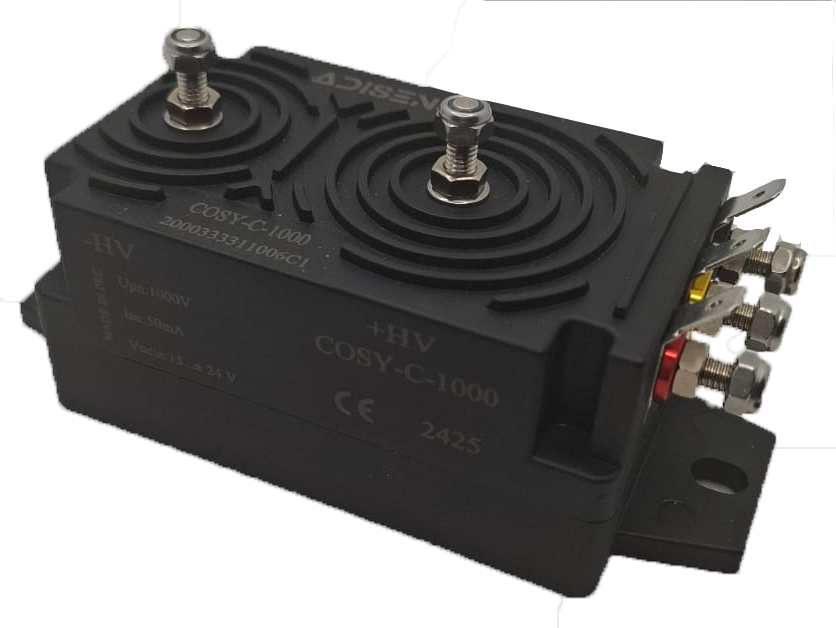
DC-bus voltage sensing
COSY-C Series
Isolated voltage supervision of the common DC energy buffer linking battery and PCS.
Open family page →DESIGN FOCUS
Energy-storage selection criteria
Bidirectional current rangeCharge / discharge overloadsDC-bus voltageGalvanic isolationThermal environmentFault-detection strategyMechanical integrationIEC 61010-1 / CE / RoHS / REACH where applicable