
Accurate phase-current feedback is fundamental to vector control and high-performance servo regulation.
APPLICATIONS · DRIVES & INDUSTRIAL MOTION
Drives & Industrial Motion
Measurement that turns electrical power into controlled, safe and reliable motion.
From escalators and cranes to robots, pumps, steel mills and precision machine tools, electric drives rely on current and voltage feedback to regulate torque and speed, protect the power stage and support machine safety.
APPLICATION DEFINITION
A common power-electronics backbone, very different operating constraints
A modern variable-speed drive typically converts an AC supply to a DC bus and then reconstructs controlled AC through an inverter to regulate a motor. The same principle appears in elevators, escalators, cranes, pumps, machine tools and industrial robots, while battery-powered and low-power actuators use simplified variants of the same measurement chain.
The measurement requirement changes with the control strategy. Scalar V/Hz control may use current mainly for protection, while field-oriented control (FOC) depends on precise, fast phase-current feedback to regulate torque and magnetic flux independently.
ROLE OF SENSING
Current and voltage measurement are part of the control architecture — not an accessory.
- Control: phase-current feedback supports torque, speed and position loops.
- Protection: overcurrent, blockage, overload and abnormal-load conditions can be detected earlier.
- DC-bus supervision: voltage feedback supports converter control, braking and regenerative operation.
- Diagnostics: current signatures can reveal bearing wear, misalignment, imbalance or drivetrain degradation.
- Safety architecture: where measurement contributes to STO, torque limiting or overload protection, the complete safety chain must be validated at machine level.
WHY MEASUREMENT MATTERS
What an engineer must control around the drive chain
The sensor is selected according to the measurement function, control dynamics, isolation, current range, mechanical integration and operating environment.
Safety functions such as Safe Torque Off or safely limited torque require a validated system architecture when current measurement is part of the safety chain.
Elevators, cranes, machine tools and other dynamic drives can return energy to the DC bus during braking.
Variable-speed drives can generate normal high-frequency leakage currents, making the protection concept and sensor bandwidth important.
Fast IGBT or MOSFET switching creates high dv/dt and di/dt close to the measurement chain.
Motor Current Signature Analysis can add condition-monitoring value to an existing current measurement.
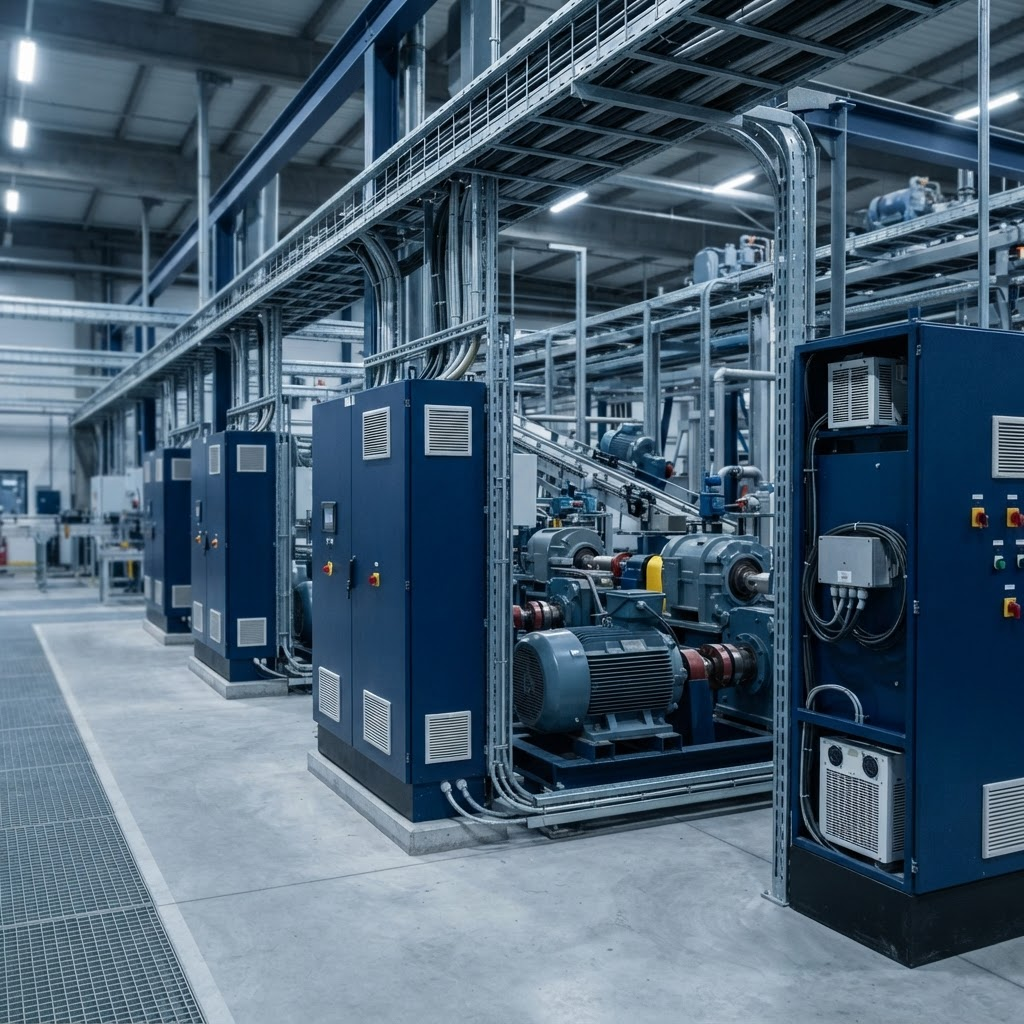
INDUSTRIES → MEASUREMENT NEEDS
Different machines, different sensing priorities
The family associations below are an engineering orientation. Final reference selection depends on validated electrical and mechanical requirements.
Vertical transport
Elevators
Closed-loop motor control depends on accurate phase-current feedback for torque quality and smooth levelling. DC-bus supervision becomes important during regenerative operating phases.
Phase current · DC-bus voltage · regenerative operationVertical transport
Escalators & moving walks
Continuous-duty drives use motor-current information for load supervision, energy optimisation and abnormal mechanical-load detection.
Motor current · load variation · blockage detectionLifting systems
Cranes & hoists
Separate travel, lifting and trolley drives demand robust current feedback, with overload and braking behaviour central to safe operation.
Hoist current · overload detection · braking / regenerative energyLight actuators
Electric door opening systems
Motor-current signatures can be used to identify abnormal resistance, end stops or an obstacle while keeping the drive compact.
Compact motor current · obstacle / anti-pinch detectionMulti-axis motion
Industrial & collaborative robots
Each servo axis requires fast current feedback for torque and trajectory control. Multi-axis machines also require coordinated DC-bus supervision and attention to functional-safety architecture.
Per-axis phase current · torque control · shared DC busProcess industry
Pumps
Variable-speed pumps use current feedback for control and for detecting operating anomalies such as dry running, blockage or abnormal load.
Motor current · dry-run / blockage detection · leakage monitoringHeavy industry
Steel mills
Rolling mills, coilers and handling drives combine very high current, thermal stress, vibration and strong electromagnetic disturbance. Mechanical integration can be as decisive as electrical performance.
High-current drive feedback · regenerative energy · severe environmentPrecision motion
Machine tools
Spindles and synchronized servo axes require fast and accurate current measurement for surface quality, positioning and coordinated motion.
Servo-axis current · spindle current · DC-bus voltage · STO-related architectureProduction machinery
Printing, paper, textile & plastics
Distributed drive axes use current feedback to regulate torque and speed while supporting process consistency and condition-based maintenance.
Axis current · tension / speed control · condition monitoringREFERENCE ARCHITECTURES
Four drive topologies that cover most industrial motion systems
These simplified schematics show where current and voltage measurement typically enters the power and control chain.
01
Grid-connected variable-speed drive
AC grid→Rectifier→DC bus
TMH→Inverter→Motor phases
OPCO / VTC-S / VPS→Motor / load
TMH→Inverter→Motor phases
OPCO / VTC-S / VPS→Motor / load
Typical of escalators, cranes, pumps, machine tools, steel-processing equipment and many industrial robots.
02
Multi-axis servo system
Common DC bus→→Digital motion controller
Used in robots, CNC machines and synchronized production equipment where every axis has its own current-control loop.
03
Battery-powered mobile drive
Battery→Battery / traction current
VTC-BC→Motor controller→Motor current
VTC-S→Traction / hydraulic motor
VTC-BC→Motor controller→Motor current
VTC-S→Traction / hydraulic motor
A simplified architecture for mobile machinery where bidirectional current and battery utilisation can be central to system performance.
04
Compact low-power actuator
Supply→Compact converter→Board current
EM / EMT / EMKPCB current
ANC / ANCH→BLDC / actuator motor
EM / EMT / EMKPCB current
ANC / ANCH→BLDC / actuator motor
Typical of automatic doors, compact actuators and embedded motor-control systems where PCB integration dominates.
APPLICATION → SENSORS
Measurement-point mapping for industrial motion
Application zoneMeasurement pointSensor familyEngineering purpose
Motor / servo axisPhase-current feedbackOPCO · VTC-S · VPS · VCS-CTorque, speed and power-stage control
DC bus / converterBus-voltage supervisionTMHConverter control, regenerative operation and monitoring
Compact control PCBEmbedded current measurementEM / EMT / EMK · ANC · ANCHHigh-density motor-control and embedded power electronics
Leakage / insulation pathResidual or differential currentMCT-CInsulation monitoring, fault detection and protection concepts
Busbar / industrial current pathCurrent feedbackVTC-BC · VTC-S · VPSIndustrial cabinet and machinery integration
RELEVANT SENSOR FAMILIES
ADISENS sensing platforms for drives and industrial motion
Use the family pages for detailed product architecture, validated references, datasheets and available mechanical interfaces.
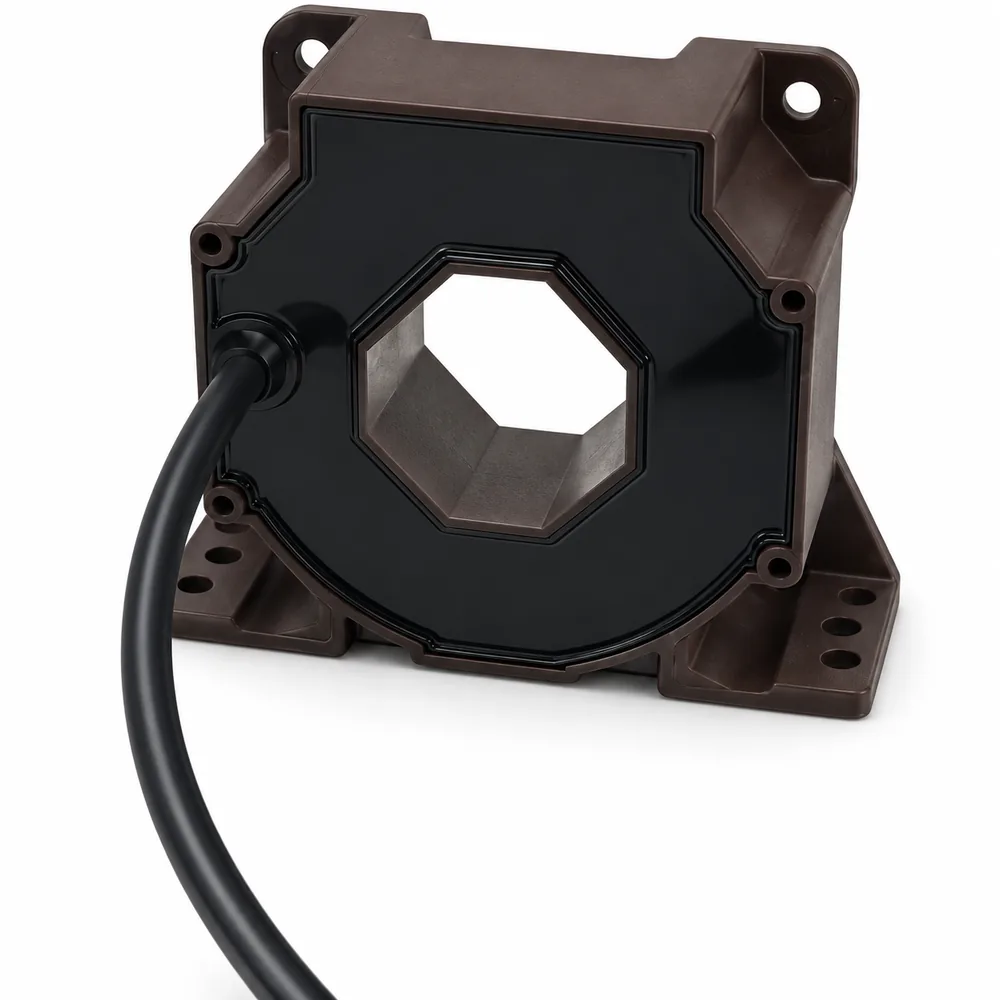
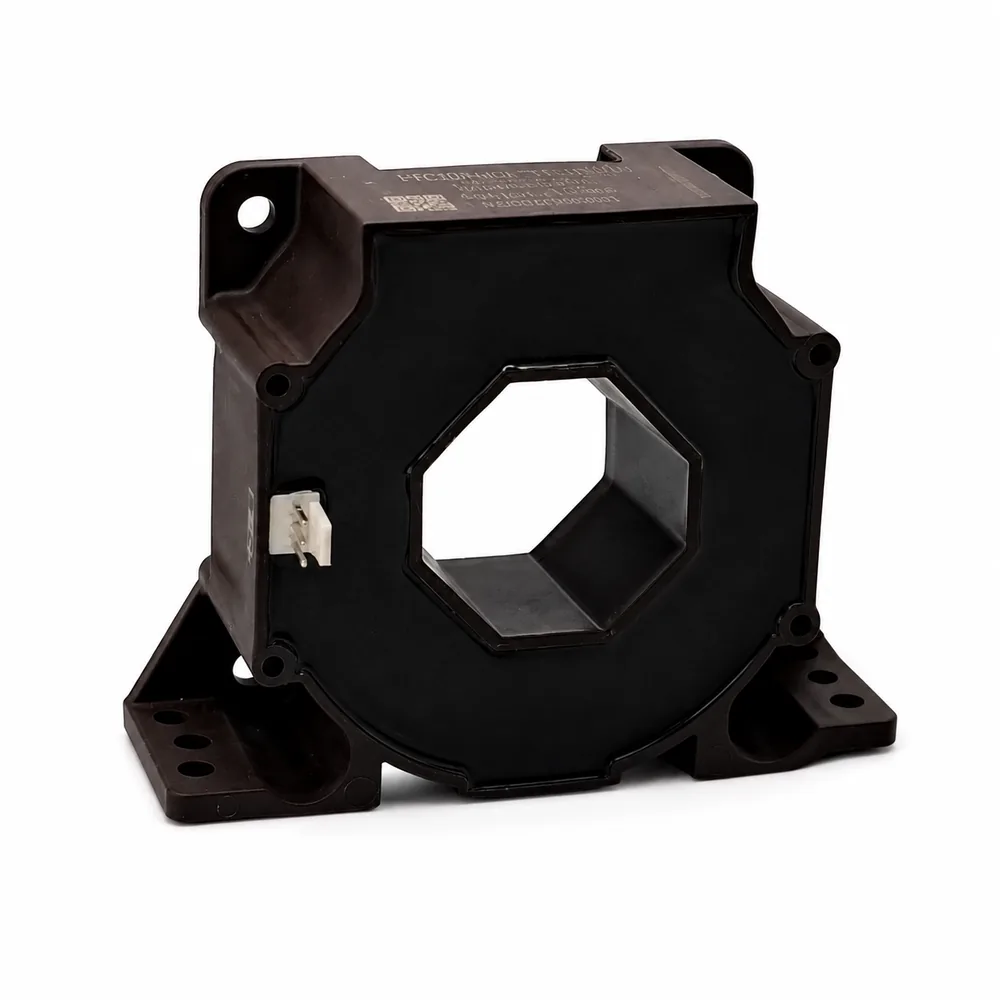
Open-loop current sensing
VTC-BC Series
Busbar-oriented current measurement for industrial drive and machinery architectures.
Open family page →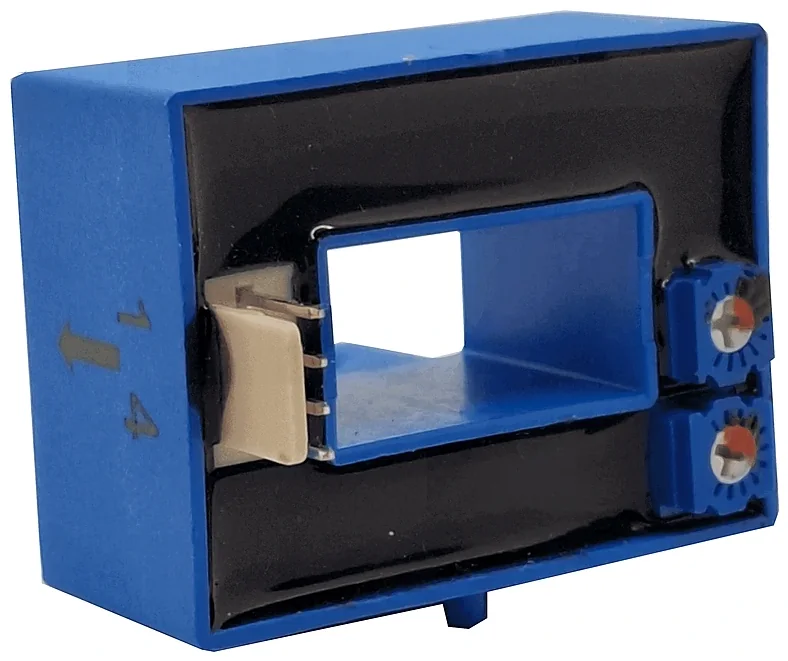
Open-loop current sensing
VTC-S Series
Compact current feedback for drives, motor-control cabinets and industrial conversion stages.
Open family page →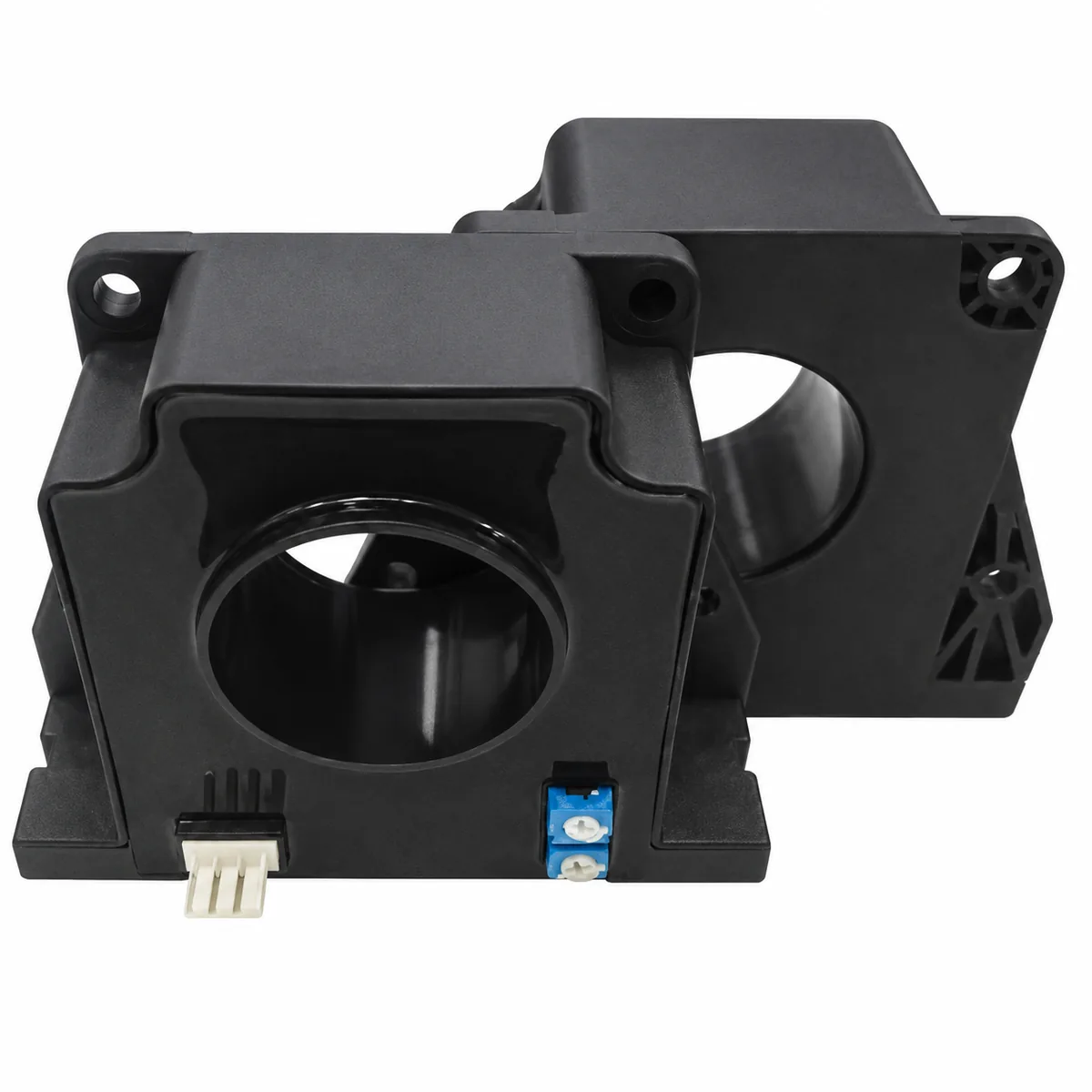
Open-loop current sensing
VPS Series
Current sensing for industrial power electronics where integration and current range drive the selection.
Open family page →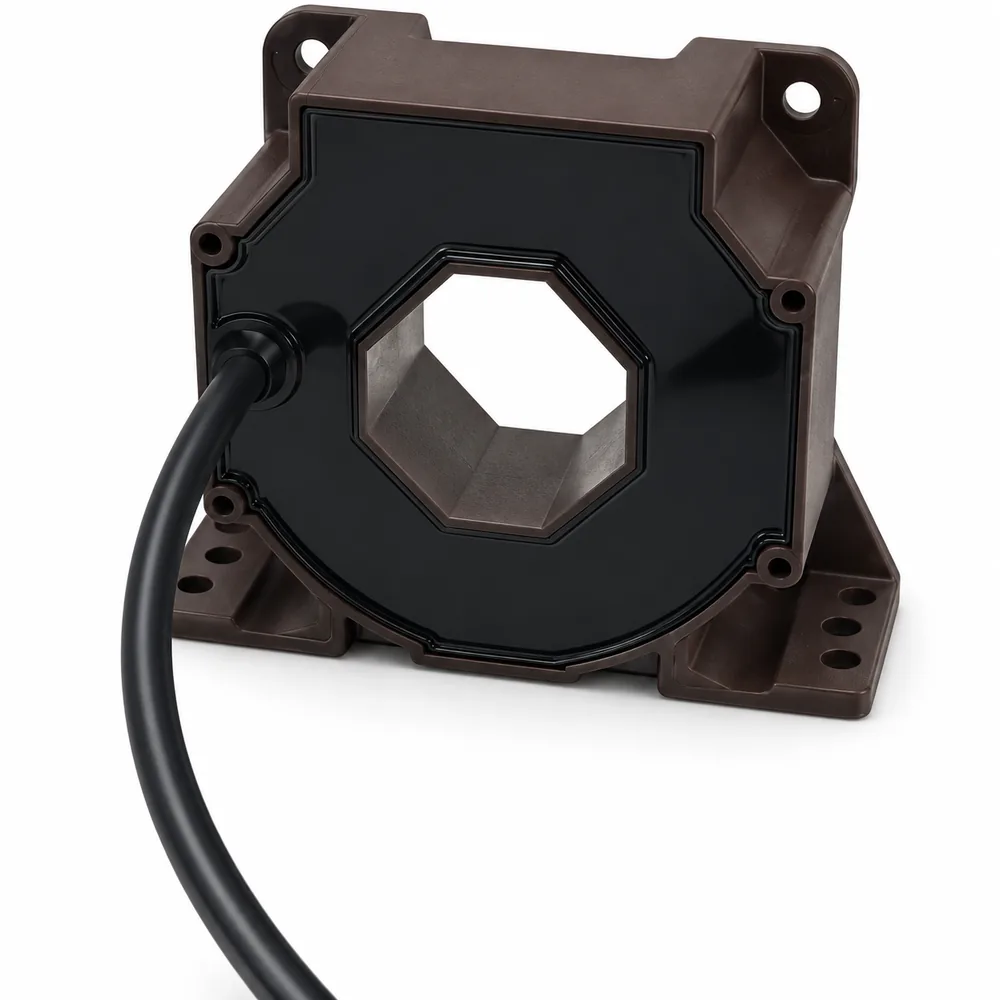
Closed-loop current sensing
OPCO Series
High-performance current feedback for demanding motor-control, converter and heavy-industry applications.
Open family page →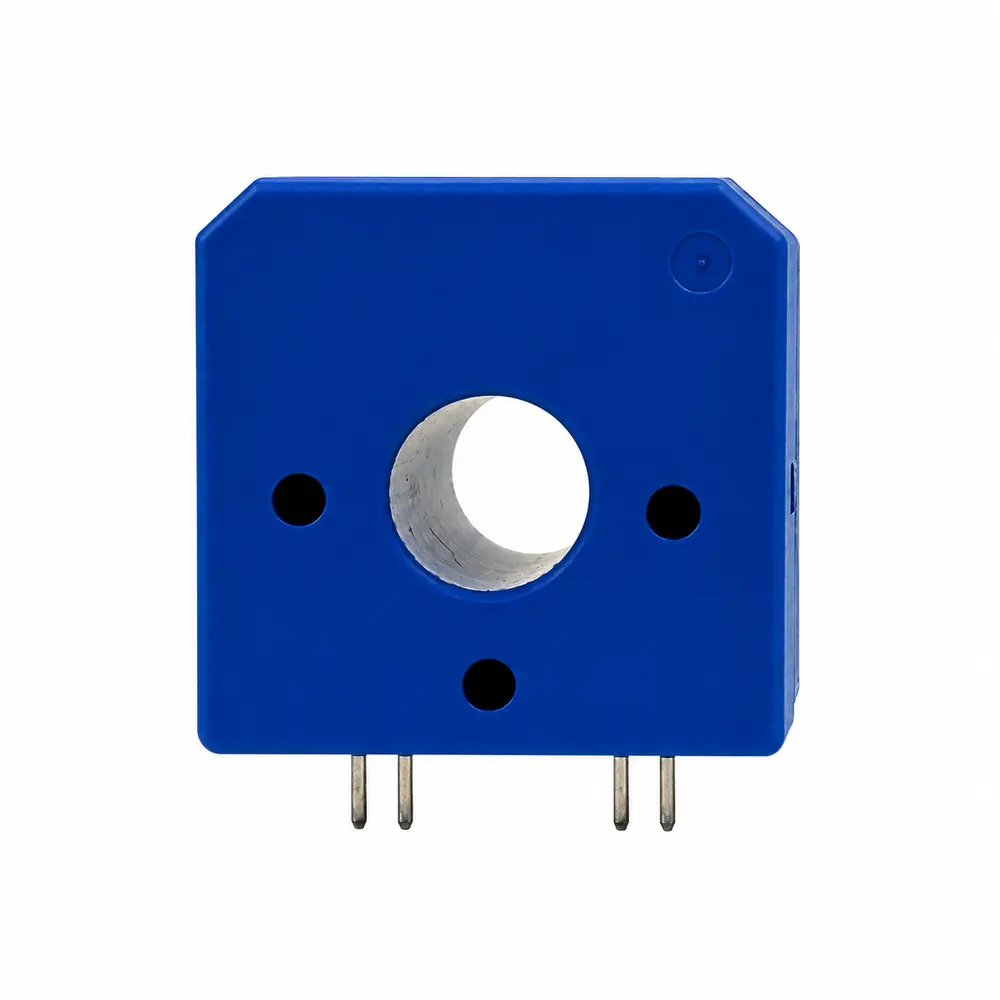
Leakage / differential current sensing
MCT-C Series
Residual and differential-current measurement for insulation monitoring and protection-oriented functions.
Open family page →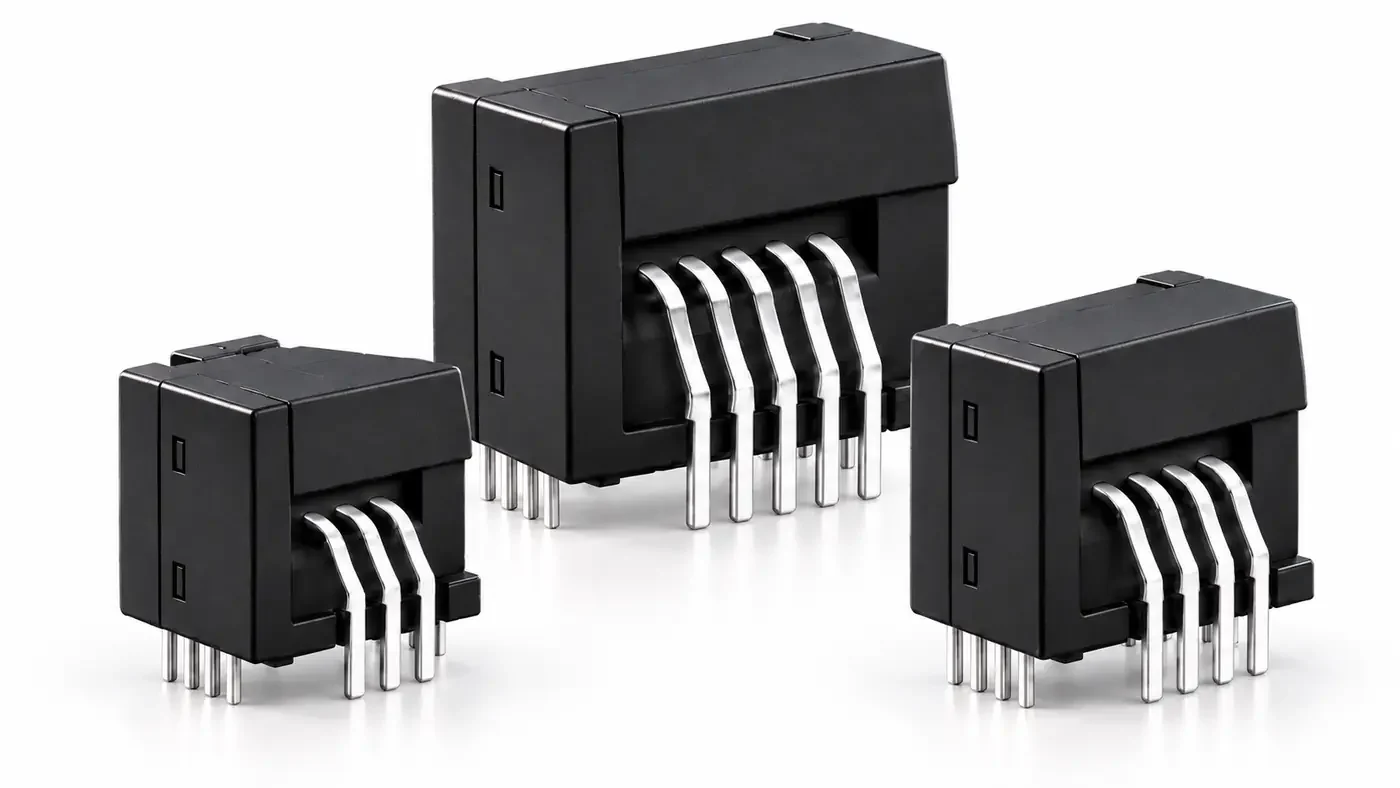
PCB current sensing
EM / EMT / EMK
Compact board-level current sensing for embedded motor-control and power-electronics assemblies.
Open family page →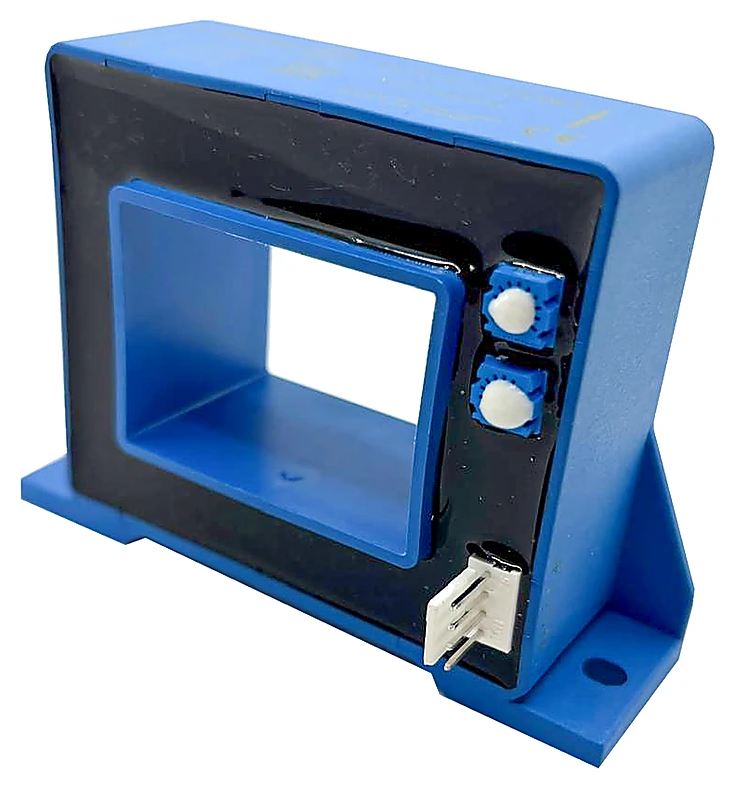
Open-loop current sensing
VCS-C Series
Current measurement for industrial power-conversion and motor-drive applications.
Open family page →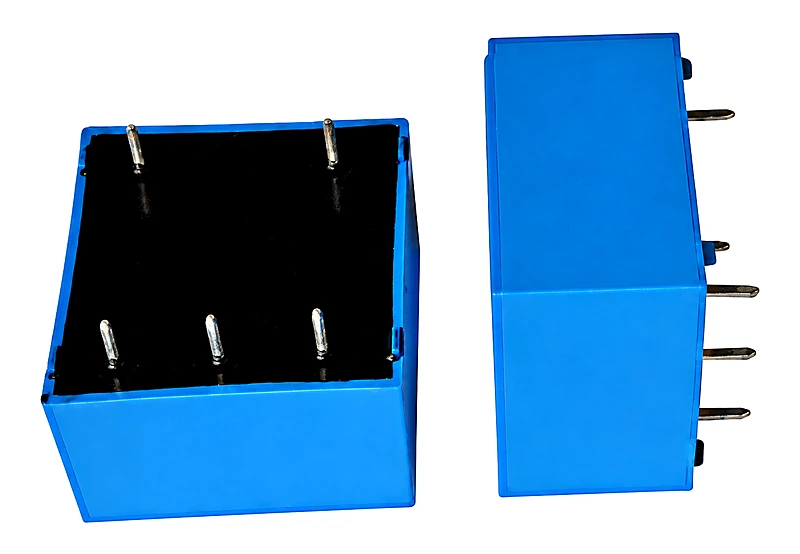
Voltage sensing
TMH Series
Isolated voltage feedback for DC-bus and auxiliary monitoring in industrial drive architectures.
Open family page →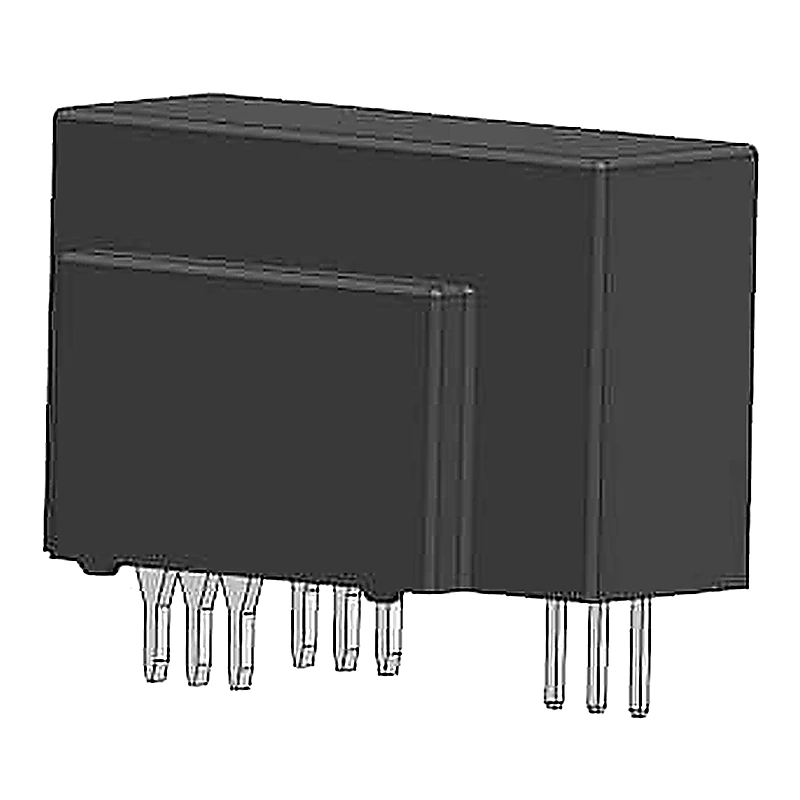
PCB current sensing
ANC Series
Compact PCB current sensing for integrated control and low-to-medium current drive electronics.
Open family page →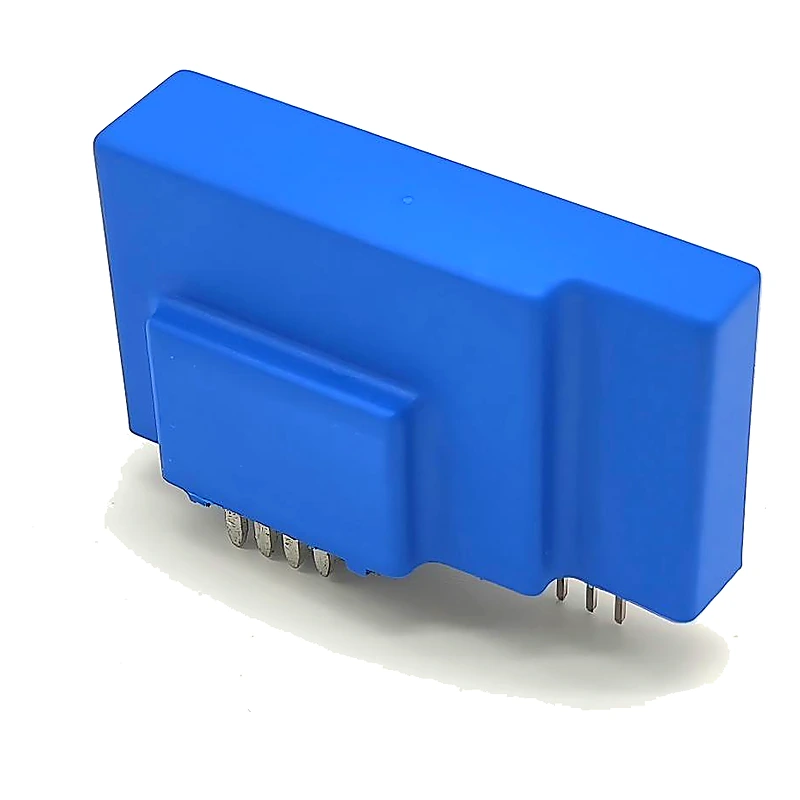
PCB current sensing
ANCH Series
PCB current sensing for dense power-electronics and advanced motor-control assemblies.
Open family page →FUNCTIONAL SAFETY
When measurement becomes part of a machine-safety function
In elevators, cranes, robots and machine tools, current measurement can contribute to functions such as torque limiting, overload detection or Safe Torque Off. In these cases, the sensor must be considered as part of the complete safety-related control architecture rather than as an isolated component.
- Performance Level concepts: ISO 13849-1
- SIL concepts: IEC 61508 / IEC 62061
- Drive safety functions: IEC 61800-5-2
- Architecture, diagnostics and redundancy must be assessed at system level.
SIGNAL ACQUISITION
The measurement chain continues after the sensor
Propagation delay, ADC full-scale usage, anti-alias filtering, cabling, shielding and grounding directly influence the useful measurement seen by the controller.
- Allow response-time margin for control and safety budgets.
- Control switching-noise coupling close to IGBT/MOSFET stages.
- Choose the sensor range to use ADC resolution efficiently without saturating during start-up or overload.
- Coordinate analog, current-loop or digital interfaces with the host controller.
STANDARDS & APPLICATION CONTEXT
Machine standards shape the measurement requirements
The applicable standard belongs to the machine or safety function. Sensor suitability and compliance must therefore be checked against the final system design.
Blockage detection and emergency-stop related functions.
Overload and load-control functions.
Electrical equipment of machines and rotating machinery.
Variable-speed drives and functional-safety functions.
Industrial and collaborative robot safety.
Safe operation, obstacle and anti-pinch behaviour.
Safety rules for elevator construction and installation.
ENGINEERING SELECTION
What to define before selecting a sensor
Nominal current or voltage, overloads, bidirectional operation and transient behaviour.
Scalar control, vector control, servo bandwidth, response time and linearity requirements.
Functional or reinforced isolation coordinated with the drive and machine architecture.
PCB, cable or busbar installation, aperture, mounting, available volume and connector strategy.
Temperature, vibration, shock, dust, thermal cycling and electromagnetic disturbance.
Qualification, traceability, maintenance, periodic verification and replacement strategy for long-life equipment.
APPLICATION ENGINEERING
Need help defining the measurement architecture?
Share the motor type, nominal current, DC-bus voltage, overload profile, control method, mounting, interface and safety constraints with ADISENS.